
The Nations is the part of West Nashville where you can stand on one corner and see three eras of the neighborhood at once: an original cottage that's been here since before the interstate, a warehouse that still does actual warehouse things, and a brand-new townhome with a rooftop deck and a price tag that would have bought the whole block twenty years ago. That collision is the whole appeal. It's also exactly why buying here is trickier than it looks. The two townhomes flanking your dream unit can photograph identically, list within ten grand of each other, and live nothing alike by year three. The finishes are the same. The stuff behind the drywall is not. This guide is about how to buy here without writing a five-figure check you never saw coming.
Where You'd Love to Live · 3-Minute Quiz
Is The Nations the one — or is there a better fit you haven't seen?
Three minutes instead of months of research — no sign-up to see your top match.
I want to be honest up front about who's buying in The Nations, because it shapes the whole conversation. You've got investors doing rental math on the new construction. And you've got a lot of out-of-state buyers who fell for the rooftop-deck photos and have no idea this neighborhood used to flood. All three of you are looking at the same product. All three of you are exposed to the same handful of gotchas. Let's walk through them like adults, in the order that actually costs people money.
If You're Moving Here From Out of State
Here's the map in your head before you start touring. The Nations sits in West Nashville, roughly bounded by Charlotte Avenue on the south and the Cumberland River bend on the north, with the avenue streets (51st, 52nd, and on up) running like a ladder through the middle. Richland Creek snakes along the southern and western edge near Charlotte. That creek is not a scenic detail — it's the single most important thing on the map for your wallet, and we'll come back to it. The neighborhood was an industrial-edged grid for most of its life, which is why you'll still see active warehouses and the occasional auto shop wedged between the new builds. That mix is not a bug; it's part of the neighborhood's character.
The thing out-of-state buyers consistently underestimate is how fast the rules here are changing. In August 2025, Metro Council approved a brand-new Urban Design Overlay covering nearly 400 acres of The Nations — new zoning, height limits, tree-canopy requirements, the works. Translation: the neighborhood you tour today is not finished evolving, and the lot next to your townhome is governed by rules that are newer than your lease back home. None of that should scare you off. It should just make you slow down and pull the public data on the specific block before you fall in love. The good news is all of it is knowable, and a local expert on our team pulls it before you ever write an offer.
What Different Budgets Realistically Get You
These bands are qualitative, not promises. Inventory moves, and any specific listing can sit anywhere inside or between these ranges depending on the block, the builder, and the condition. The point isn't the dollar figure — it's the trade-off attached to it.
Smaller and Older
At the entry end you're typically looking at the original housing stock — smaller cottages still wearing their original everything, older mid-century homes out toward the edges, or smaller condo and townhome units. The honest read: the cheapest way into The Nations almost always comes with a renovation budget stapled to it, whether the listing photos cop to it or not. That's not a reason to avoid this band. It's a reason to bring an inspector who knows old Nashville bones and to price the work before you price the house.
The Heart of New Construction
This is where most of the new construction lives. The product mix runs:
- New-construction townhomes, roughly 1,800–2,400 square feet, with modern finishes, two-car garages, and often a rooftop deck.
- Modern infill single-family homes on small lots.
- Renovated older homes of wildly varying age and quality.
This is also the band where the builder-track-record gotcha does the most damage, because this is where the volume is. Two units, same street, same square footage, same granite — and one builder warranties their work while the other has a trail of callbacks. You cannot see the difference at the open house. You can see it in the public record, which is the entire reason this guide exists.
Premium New Construction and Larger Singles
Here you're into larger new-construction singles (roughly 2,500–3,500 square feet) with higher-end finishes, fully renovated older homes with real money put into them, or the premium end of the townhome market. The finishes get nicer, but the diligence does not get easier — a premium price tag is not proof of a premium builder. It's just a bigger number to be wrong about.
Top of the Market
Custom builds, the largest new-construction singles, or significantly expanded historic homes. This band is less common and inventory swings hard from season to season. At this level you're often buying a one-off, which means there are fewer comparable sales to anchor the price — so the comp analysis and the builder vetting matter more here, not less.
The Real Buying Process and Timeline Here
The mechanics of buying in The Nations are the same as anywhere in Davidson County — but a few steps carry extra weight in this specific neighborhood, and getting the order right is how you avoid paying for diligence on a house you were never going to get.
- Get fully underwritten, not just pre-qualified. In a neighborhood with this much new construction, sellers and builders move fast. A real underwriting letter is the difference between an offer that gets taken seriously and one that gets skipped.
- Pull the block before you tour, not after. We check the FEMA flood map, the Metro Water flood-risk tool, the short-term-rental permit status, the building-permit activity nearby, and the zoning under the new Urban Design Overlay — for any property you're serious about. Most of this costs nothing but time, and it's the cheapest insurance you'll ever buy.
- Tour with the trade-offs in hand. Once you know the block's flood status, builder, and surrounding permits, the walkthrough is about whether you love the floor plan — not about discovering a surprise creek behind the back fence.
- Write the offer with the right contingencies. Inspection, and on older homes, often a survey. On condos and townhomes, a documents-review contingency so you can read the HOA's reserve study and special-assessment history before you're locked in.
- Inspect like the house is hiding something, because some of them are. New construction needs an inspection too — "new" is not "flawless," and a builder's warranty is only as good as the builder behind it.
- Close, typically 30–45 days out on financed deals. The timeline itself is normal. What's not normal is how much regret you can prevent by front-loading the diligence into steps one and two.
The Gotchas That Cost Nations Buyers Real Money
1. Flood and FEMA — the one nobody from out of state expects
This is the gotcha that can cost the most and gets noticed the least. Parts of The Nations sit low and close to Richland Creek, and that creek has history. In the May 2010 flood, Richland Creek overflowed across West Nashville — the Charlotte Pike shopping center had to be evacuated by boat, and Metro eventually bought out and demolished dozens of flood-damaged homes along the Delray Drive corridor nearby, turning the land into England Park specifically to absorb future floodwater. That is not ancient history. It's the reason flood zone designation has to be a yes-or-no checkbox before you offer, not an afterthought.
Why it costs money: if a property sits in a FEMA Special Flood Hazard Area and you're financing, your lender will require flood insurance — and that premium can run into the thousands per year, every year, on top of your mortgage. It changes your real monthly cost, it changes your resale pool, and it is brutally easy to miss because the house looks bone-dry in July. We pull the FEMA Flood Map Service Center designation and the Metro Water Services flood-risk tool for any specific address, so you know the answer and the dollar figure before you're emotionally committed, not after.
2. Short-Term-Rental Rules — the investor trap
If any part of your plan involves renting the place on Airbnb or VRBO, read this twice, because the rules changed and a lot of online advice is stale. Nashville split short-term rentals into two permit types, and they are not interchangeable:
- Owner-occupied: you have to permanently live in the property, and you have to be a natural person — LLCs, trusts, and corporations are flatly ineligible. So the classic "buy it in my LLC and rent it out" plan does not qualify for this permit.
- Non-owner-occupied: this is the true investment permit, and here's the kicker — Metro stopped issuing new non-owner-occupied permits in residential zones on January 1, 2022. New ones are only available in specific mixed-use and commercial zoning districts, as a use permitted with conditions. Given how much of The Nations is residentially zoned, that rules out a lot of the new-construction townhomes people assume are easy STR plays.
Why it costs money: buyers regularly underwrite a property assuming nightly-rental income that the zoning will never legally allow. You close, you apply for the permit, and Codes tells you no. Now you're holding an investment that doesn't pencil and a mortgage that does. Permits also renew annually, so even a legal one isn't set-and-forget. Before you offer on anything with an STR plan, we check the exact zoning district and the permit status — because the listing agent's "great Airbnb potential" is marketing, not a permit.
3. The New Urban Design Overlay — approval delays and changing rules
In August 2025, Metro Council approved a custom Urban Design Overlay covering nearly 400 acres of The Nations, splitting the neighborhood into character areas with new height caps (tri- and quadplexes generally held to around 35 feet, roughly two stories), tougher tree-density requirements, and stormwater-drainage standards aimed at pivoting away from the "tall and skinny" builds the neighborhood became known for. If you're buying a finished home, this mostly affects you indirectly. If you're buying a lot to build, or buying anything where you might want to add an ADU or expand later, it affects you directly.
Why it costs money: overlays add a design-review layer, and design review adds time and uncertainty. A plan that would have sailed through under the old rules can now hit revisions, delays, or outright limits on height and footprint — and time is carrying cost when you're paying for a lot or a construction loan. Even as a finished-home buyer, the overlay shapes what your neighbor can build next door, which shapes your future views, light, and resale. We pull the current overlay character area and zoning for any property so you know which rules actually govern it before you commit to a plan that the new code won't allow.
4. Builder Track Record — the single highest-value hour of homework
In a neighborhood this heavy with new construction, the builder is the variable that quietly decides whether your home is a great buy or a slow-motion money pit. Builders vary; we check permits, warranty history and callbacks for each one.
Why it costs money: a weak builder's home costs you on the back end — in warranty fights, in early HVAC and plumbing failures, and in resale, because the next buyer's agent will pull the same record you should have. We pull a builder's recent local projects, look for the warranty and complaint patterns, and tell you honestly what to expect. This one piece of homework can save clients a substantial sum, and it's an afternoon of work.
5. Old-Home Mechanicals — the renovation that only looks finished
For the older cottages and renovated homes, the danger is the flip that's beautiful on top and untouched underneath. New backsplash, refinished floors, fresh paint — and the same knob-and-tube-era wiring, the same tired galvanized plumbing, the same undersized electrical panel hiding behind it all.
Why it costs money: cosmetic renovations photograph like full renovations and price like them too. If the systems weren't touched, you inherit a rewire or a repipe that runs five figures, and you paid renovated-house prices for it. We pull the permit history from Metro Codes — a renovation with no permits is a renovation no licensed hand ever signed off on — and we point your inspector at the systems, not the surfaces.
6. HOA and Condo Dues, Special Assessments, and Warrantability
A lot of the townhome and condo product here comes with an HOA covering exteriors and common areas. The documents nobody enjoys reading — the bylaws, the budget, the reserve study, the special-assessment history — are exactly the ones that decide whether you get an unwelcome bill two years in.
Why it costs money two ways. First, an underfunded reserve fund is a five-figure special assessment waiting to land on a future statement, not at your closing table. Second — and out-of-state buyers almost never know this one — if a condo project isn't "warrantable" (too many rentals, too much commercial space, ongoing litigation, or a single owner holding too many units), conventional and FHA lenders may not finance it. That can shrink your buyer pool to cash-only at resale and tank your price. We read the HOA documents and check warrantability before you offer, so the dues, the reserves, and the financing reality are all known quantities going in.
7. Survey, Easements, and Frontage — the small-lot landmines
The Nations is a neighborhood of small lots, infill splits, and shared driveways, which makes the boundary stuff matter more than usual. A current survey tells you where the line actually is, where the easements run, and whether your frontage and setbacks are what the listing implies.
Why it costs money: when a single original lot gets split into two new townhomes, you can end up with shared-access easements, drainage easements crossing your yard, or a fence the previous owner cheerfully built three feet onto the neighbor's property. Discovering that after closing is a survey you should have ordered before closing, plus a dispute you didn't budget for. On older homes and split lots especially, we recommend a survey contingency so the lines, easements, and frontage are confirmed before the money moves.
The Investor-Hat Lens
Several agents on our team have active investor backgrounds — renovations, rentals, the kind of math that runs in your head while you walk a property. The Nations has been a target for many of them precisely because the entry price lets investment math work. We bring that lens to every primary-residence buyer too, because the same property-specific factors that make or break a rental make or break a home you live in. Builder quality, block cohesion, flood status, lot specifics, surrounding permit activity — all of it shows up in comparable sales and at resale. None of it changes whether you love the kitchen. It changes what you should pay for it.
Quick Questions
Does The Nations flood?
Parts of it sit low and close to Richland Creek, which overflowed badly in the 2010 flood across West Nashville. Whether a specific property is in a FEMA flood zone is an address-by-address question, not a neighborhood-wide one — two homes a block apart can have completely different designations. We pull the FEMA flood map and the Metro Water Services flood-risk tool for any property so you know the zone, and the insurance cost, before you offer.
Can I Airbnb a house I buy in The Nations?
Maybe, and the maybe matters. Owner-occupied short-term rentals require you to actually live there and to own as a natural person, not an LLC. Non-owner-occupied permits — the real investment kind — stopped being issued in residential zones in 2022 and are now limited to specific mixed-use and commercial zoning districts. Since much of The Nations is residentially zoned, a lot of properties simply can't get a new investment STR permit. We check the exact zoning and permit status before you build a plan around rental income.
Is new construction in The Nations a safe bet?
It can be excellent, and it can be rough, and they look identical at the open house. The deciding factor is the builder. We pull a builder's recent projects and warranty patterns so you're buying on track record, not on staging. "New" is a sales word, not an inspection result — even new homes get inspected on our deals.
What's the new Urban Design Overlay, and does it affect me?
It's a 2025 Metro overlay covering nearly 400 acres of The Nations that sets height limits, tree-canopy rules, and stormwater standards, and it splits the neighborhood into character areas with different rules. If you're buying a finished home, it mostly shapes what your neighbors can build. If you're buying a lot to build, or planning an ADU or addition, it directly governs what's allowed and can add design-review time. We pull the character area and zoning for any property up front.
What schools is The Nations zoned for?
School zones in Middle Tennessee are tied to specific addresses, not to neighborhood names. When you share an address, our team will pull the assigned schools along with the Tennessee Department of Education report cards so you can review them yourself and decide what fits your family.
Read Next
- Living in The Nations — an honest local's guide to daily life here, the industrial-meets-new-build streetscape, and the real trade-offs of putting down roots in West Nashville.
- The Nations — where locals actually eat, drink, and spend their weekends, from the Nations corridor's breweries and restaurants to the neighborhood staples worth the walk.
Buyer consultation (no obligation) — let's pull the block before you fall for the listing
The Nations rewards buyers who know exactly what they're buying: the flood status, the builder, the zoning, and the HOA realities behind the rooftop-deck photos. Call or text 615-265-1000 or book a 30-minute discovery call, and a local expert on our team will pull the FEMA flood map, the short-term-rental and overlay zoning, the builder track record, and current comparable sales for any property you're considering — no obligation, before you write an offer. No pressure, no script, just a straight conversation about buying here without losing money.
615-265-1000From our YouTube channel
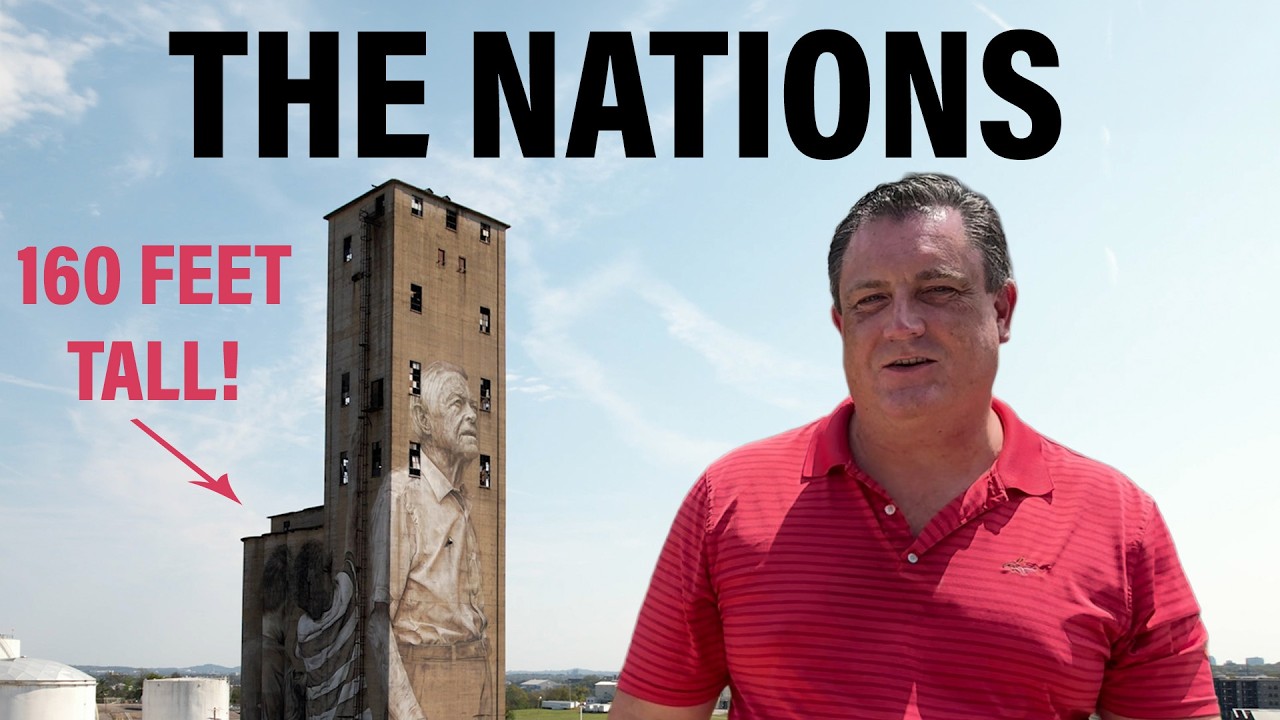
Tour The Nations with us
Filmed by our team on the ground — see it before you visit.